

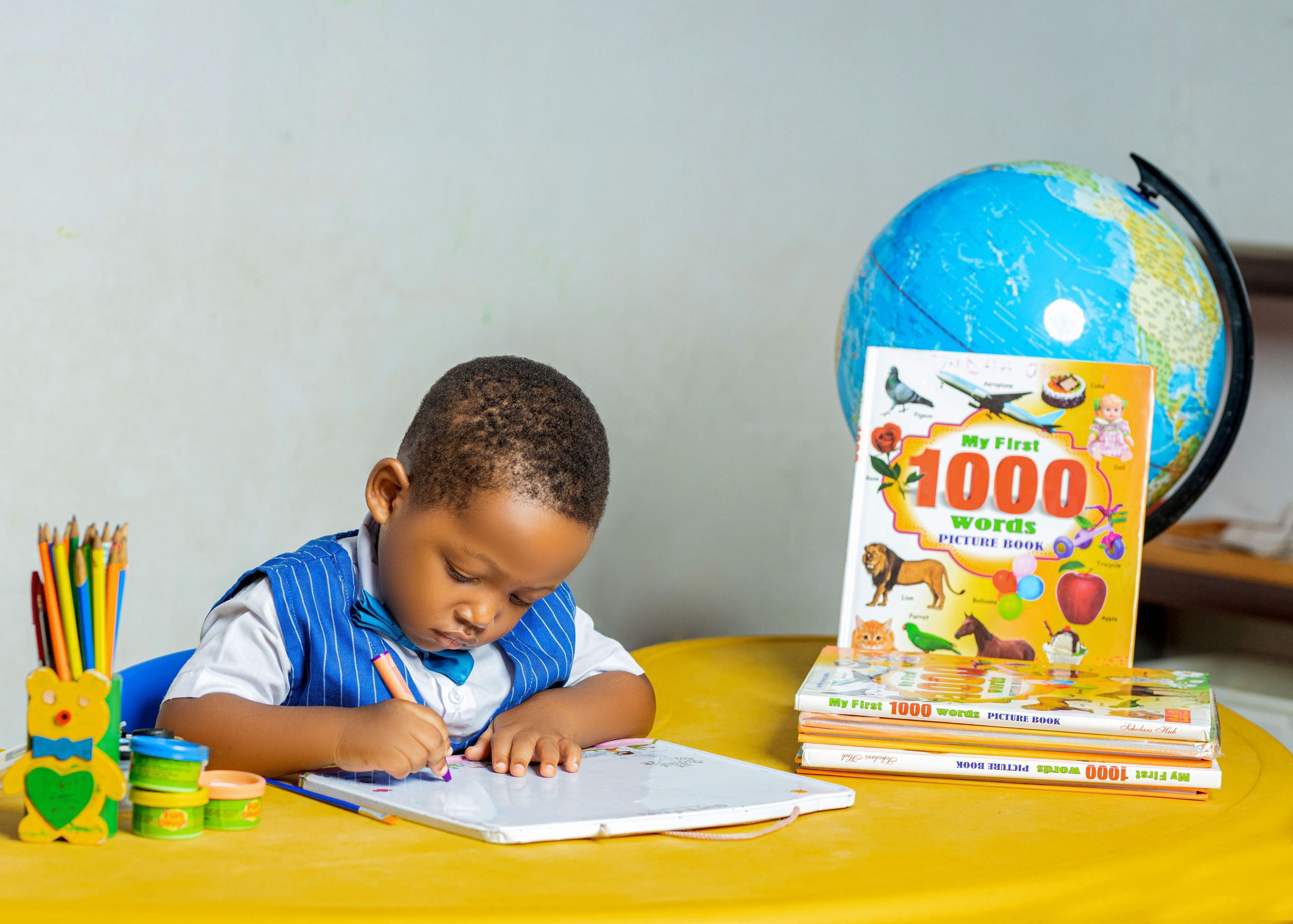
Watching a child grow is one of life’s greatest joys. From their first smile to their first step, every stage of development is full of milestones that shape who they are becoming. As parents, understanding these stages helps you to nurture your child’s growth and support their unique needs along the way.
In Ghana, our cultural values of community, respect, and family bonding play a big role in how children grow. From grandparents teaching proverbs to children playing ampe in the compound, every environment contributes to a child’s development.
🌱 Stage 1: Infancy (0–1 year)
What to Expect: Rapid growth, from cooing to crawling. Babies learn trust through consistent love and care.
Milestones: Smiling, babbling, rolling over, sitting, crawling, and first steps.
Ghanaian Context: Many families in Ghana live in extended households, so babies often interact with aunties, uncles, and cousins daily, this builds social trust early.
Parent Tips: Sing Ghanaian lullabies, talk often in your home language (Twi, Ga, Ewe, Dagbani, etc.), and let them explore safe open spaces like verandas and compounds.
🌼 Stage 2: Toddlerhood (1–3 years)
What to Expect: Toddlers are curious explorers who want independence.
Milestones: Walking, running, first words, forming simple sentences, climbing, and pretend play.
Ghanaian Context: At this stage, children love imitating adults; pretending to sweep the compound, carry a bowl on their head, or “cook” with toy utensils.
Parent Tips: Encourage independence by letting them try small chores (carrying their cup, packing toys). Use everyday items like tomatoes or yams to teach counting.
🌳 Stage 3: Preschool (3–5 years)
What to Expect: Imagination blossoms, friendships form, and early learning skills begin.
Milestones: Counting, recognizing shapes, storytelling, drawing, and stronger motor skills.
Ghanaian Context: Local games like ampe, pilolo, or chaskele improve coordination and teamwork. Storytelling sessions with Ananse tales build imagination and moral reasoning.
Parent Tips: Read simple books with your child, encourage drawing, and tell stories in both English and mother tongue to build bilingual literacy.
🌞 Stage 4: Early Primary (6–8 years)
What to Expect: Children become logical and begin formal schooling. Confidence grows as they master reading, writing, and math.
Milestones: Reading simple books, solving basic math problems, understanding rules, and forming friendships.
Ghanaian Context: School becomes central. Children often join cultural dance or drama clubs, which boost memory and self-confidence.
Parent Tips: Praise effort over results, attend school open days, and create a reading corner at home, even a small mat with storybooks can inspire.
🌟 Stage 5: Later Childhood (9–12 years)
What to Expect: Children develop their own identity, opinions, and interests. Peer influence grows stronger.
Milestones: Reading comprehension, teamwork, fairness, leadership roles.
Ghanaian Context: Children may take on responsibilities such as helping with cooking, fetching water, or selling small items after school. These tasks build responsibility but should not overshadow learning time.
Parent Tips: Encourage hobbies (football, music, arts), support school projects, and talk openly about values like respect, honesty, and hard work.
🌍 Stage 6: Adolescence (13–15 years)
What to Expect: Rapid physical, emotional, and social change. Teens seek independence.
Milestones: Abstract thinking, deeper friendships, puberty changes, and self-expression.
Ghanaian Context: Junior High School years come with pressure; BECE exams, peer influence, and questions of identity. Church, mosque, and community youth groups often shape values and belonging.
Parent Tips: Provide guidance without being overly controlling, respect privacy, discuss responsible choices, and support career dreams, whether in academics, arts, or entrepreneurship.
Every child develops at their own pace, one may walk early while another speaks fluently first. Development is not a race but a journey. In Ghanaian culture, “Obi nnim obrempon ahyease” (no one knows the beginning of a great person). What matters most is a loving, supportive environment where children feel safe to explore, learn, and grow.